

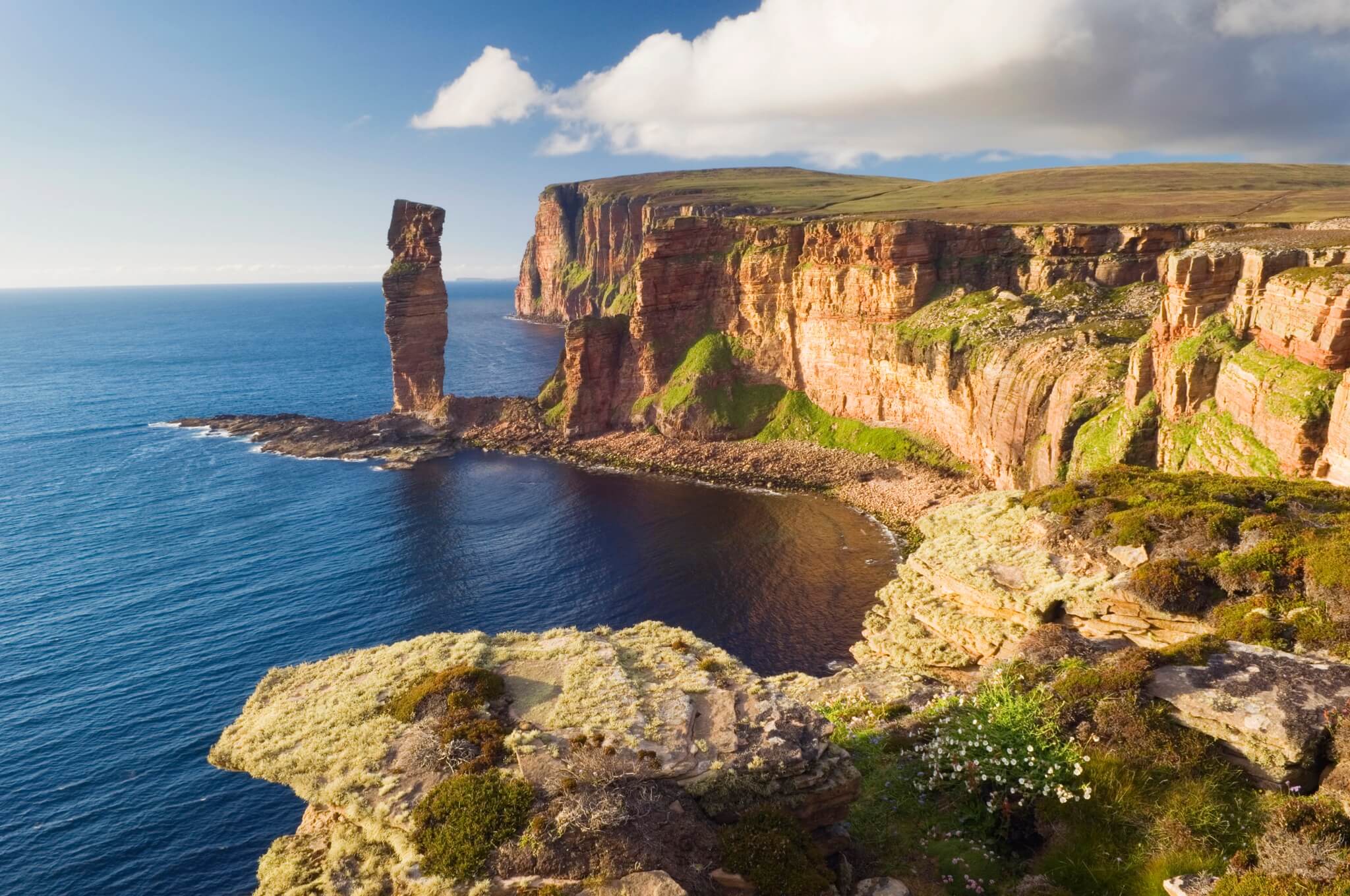
Quick answer
Most visitors allocate three to five days for Orkney, sufficient to cover the Heart of Neolithic Orkney UNESCO sites, Kirkwall's cathedral and harbor, Stromness's stone lanes, and Scapa Flow war relics on Mainland. Add two extra days if visiting Hoy's Old Man stack or the seabird colonies on Westray and Papa Westray. A weekend trip captures the core archaeological circuit but sacrifices outer island ferries and weather flexibility.
Orkney holds the densest concentration of prehistoric monuments in northern Europe, five thousand years compressed into a seventy-island scatter where standing stones outnumber trees. The archipelago's geography dictates visit rhythm: Mainland Orkney, the largest island, clusters Skara Brae's Stone Age village, the Ring of Brodgar's megaliths, and Maeshowe's solstice-aligned tomb within a fifteen-mile radius, making a long day trip from Scrabster technically possible but a three-day minimum realistic for unhurried exploration. The ferry from Scrabster to Stromness takes ninety minutes, landing you on Mainland's west coast where most heritage sites anchor. The question of sufficient time in Orkney pivots on whether you treat it as a heritage checklist or an immersive destination. A three-day visit covers the Neolithic core, Kirkwall's twelfth-century St Magnus Cathedral, and the Italian Chapel on Lamb Holm, built by World War II prisoners. Extending to four or five days opens Scapa Flow's Churchill Barriers, the Brough of Birsay's tidal causeway to Pictish ruins, and a day ferry to Hoy for the Old Man sea stack and wartime batteries. Outer islands like Westray, Rousay, and South Ronaldsay each add a full day when accounting for ferry schedules and single-track roads. Weather shapes Orkney logistics as much as mileage. Atlantic gales shut inter-island ferries without warning, particularly October through March, making buffer days prudent for anyone committing to outer isle itineraries. Summer's long daylight—near-midnight twilight in June—extends site access beyond posted hours, though midges thrive in calm evenings. The archipelago's scale deceives: distances appear short on maps, but narrow roads, livestock crossings, and the cultural pull of harbor villages slow progress. Attempting the full archaeological circuit plus outer islands in under five days compresses encounters into checkboxes rather than experiences. Orkney's working character—fishing fleets, distilleries, farming crofts—means the islands function on rhythms indifferent to tourism peaks. Shops in Kirkwall close by six, most restaurants by nine. This cadence rewards slower pacing. A four-day stay balances structured heritage visits with unplanned hours watching northern light shift across Ring of Brodgar or tracing the cliff path above Yesnaby's sea stacks, the kind of margin that converts an efficient trip into a memorable one.
“Orkney's scale deceives: distances appear short on maps, but narrow roads, livestock crossings, and the cultural pull of harbor villages slow progress.”
Planning Your Orkney How Many Days: Recommended Durations
While a day trip from Scrabster offers a taste of Orkney's Neolithic heritage and Kirkwall's compact center, three to five days allow you to explore the major sites without rushing and experience the islands' distinct character. This plan assumes a moderate pace, clustering sites geographically to reduce travel time.
Kirkwall and St Magnus Cathedral
Settle into the capital, explore the 12th-century cathedral and the Orkney Museum, then walk the harbor and town center. Allow half a day for Kirkwall's core sights.
Neolithic Heartland—Mainland West
Visit Skara Brae, the Ring of Brodgar, and the Stones of Stenness in a single loop. Budget a full day; the sites are close but each rewards careful attention.
Maeshowe and Stromness
Tour the chambered cairn at Maeshowe (book ahead for the guided visit) and spend the afternoon in Stromness, a working harbor town with maritime character. Half a day for each area.
Italian Chapel and Churchill Barriers
Drive the Churchill Barriers linking the southern isles, stopping at the Italian Chapel and coastal viewpoints. A relaxed half-day loop from Kirkwall.
Rousay or Hoy (optional)
Take the ferry to Rousay for its chambered cairns or Hoy for the Old Man sea stack and dramatic cliffs. A full day including ferry schedules; skip if time is short.
Logistics for Your Orkney How Many Days Trip
Orkney sits off the north coast of Scotland, accessible primarily by sea. The most direct route from the Scottish mainland is the ferry service from Scrabster to Stromness.
NorthLink Ferries from Scrabster to Stromness
A9 road to Scrabster ferry terminal
Stagecoach route X99 to Scrabster
Key Landmarks to Fit into Your Orkney How Many Days Itinerary
Orkney contains a high density of archaeological sites and cultural landmarks. Planning your visit requires balancing these significant locations with travel time between the islands.
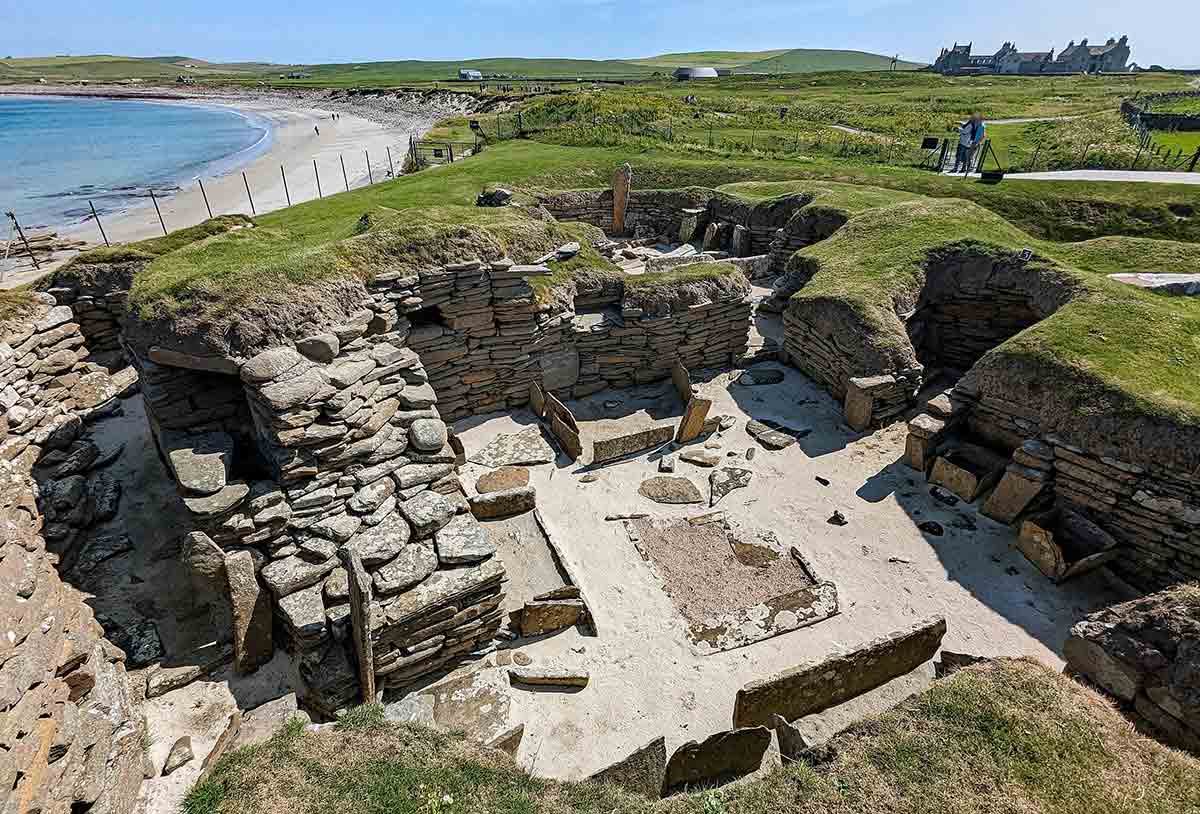
Skara Brae
A Neolithic settlement featuring stone-built houses preserved by sand for millennia.
Visit early in the day to avoid peak visitor numbers.
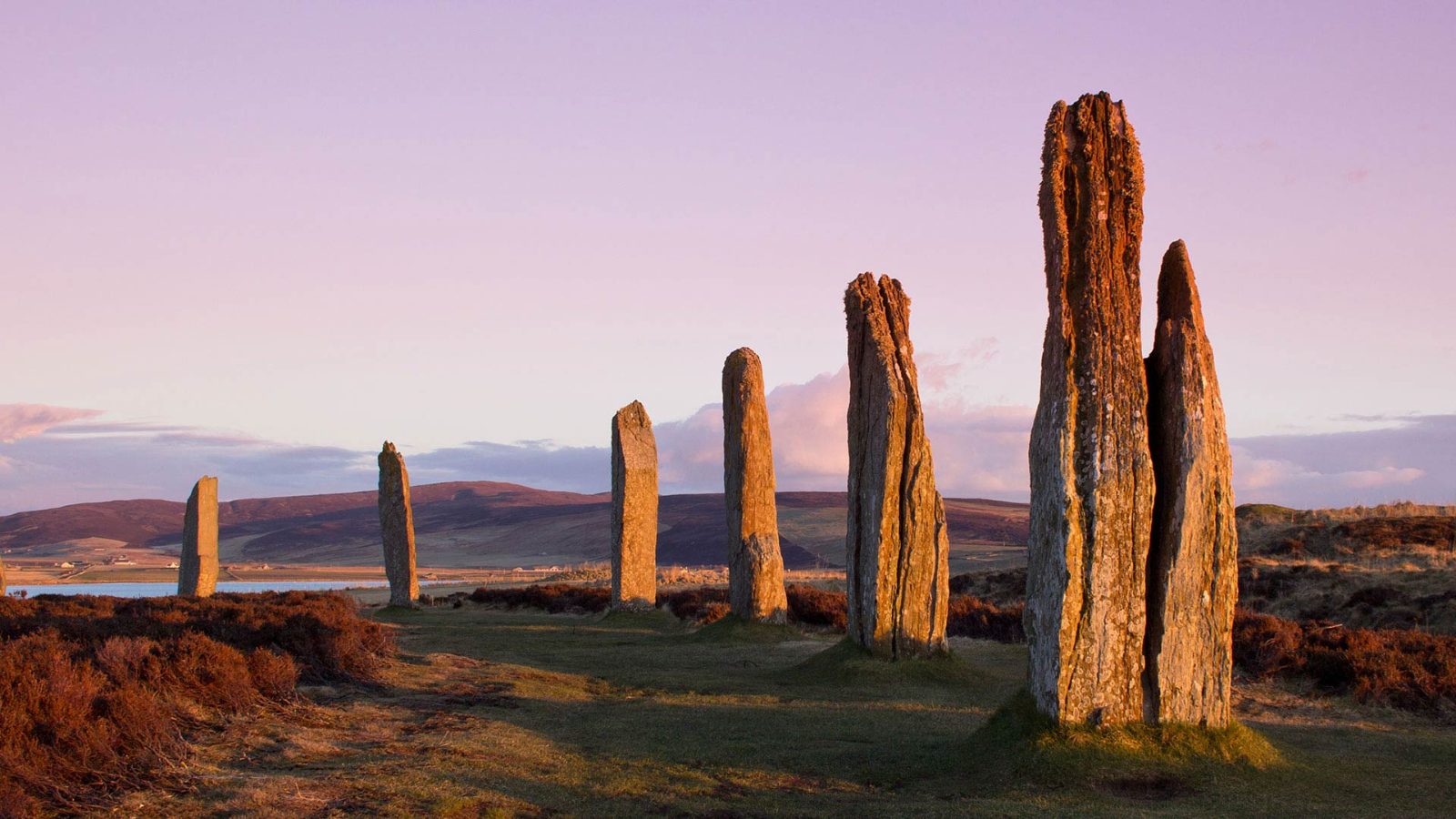
Ring of Brodgar
A large Neolithic henge and stone circle forming part of the Heart of Neolithic Orkney World Heritage Site.
Walk the perimeter path for a full view of the stones.
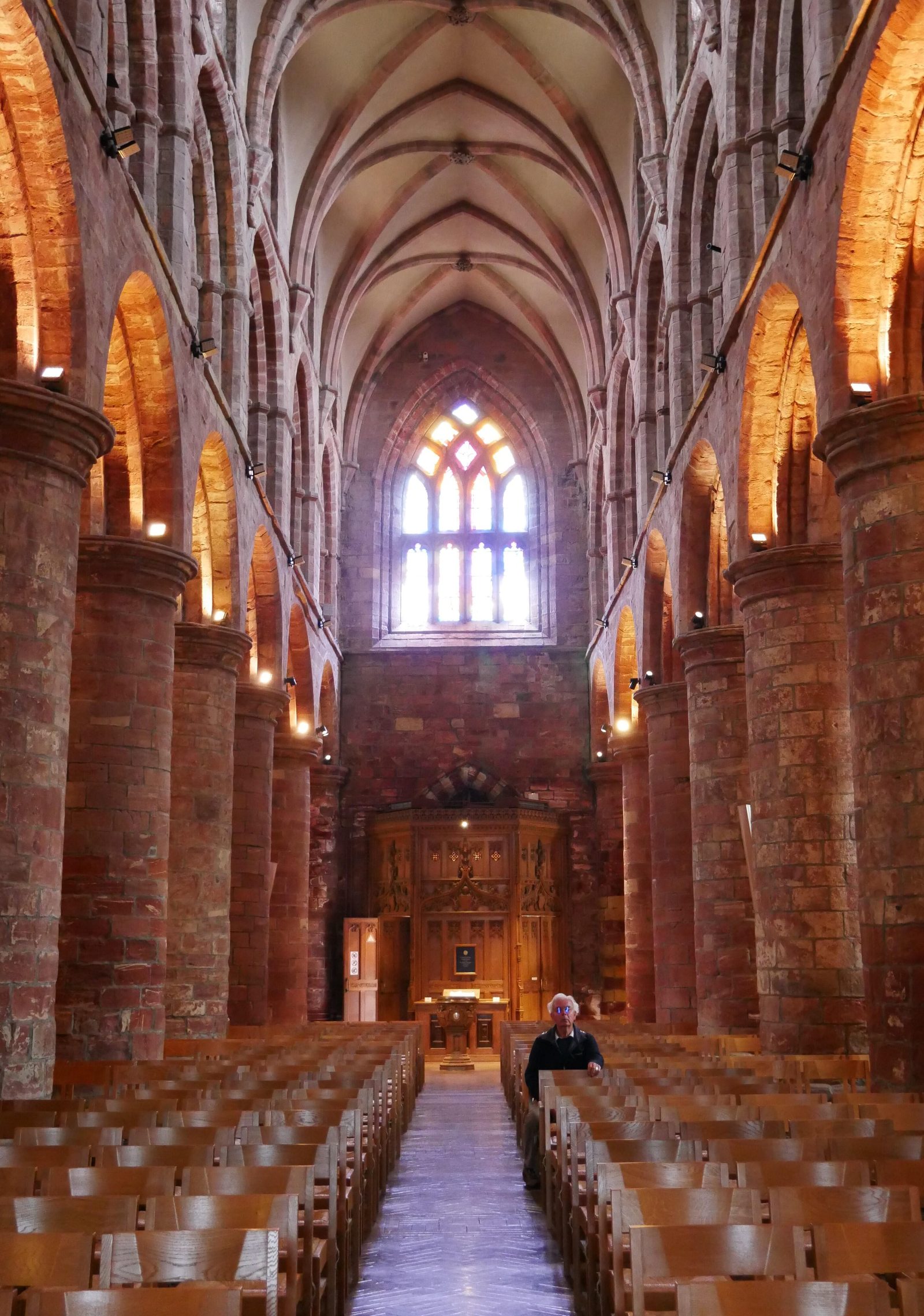
St Magnus Cathedral
Known as the Light of the North, this 12th-century cathedral dominates the skyline of Kirkwall.
Look up at the intricate red and yellow sandstone masonry.
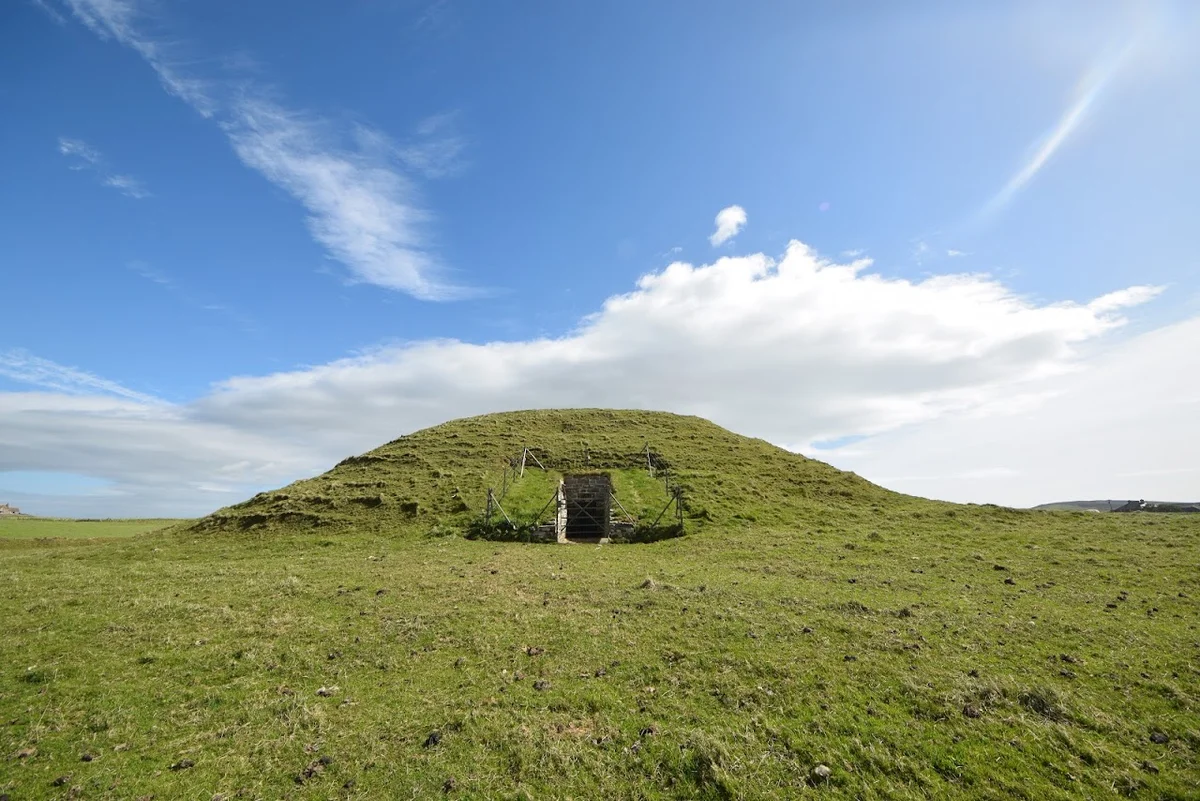
Maeshowe
A chambered cairn designed so the setting sun illuminates the interior passage during the winter solstice.
Check the orientation of the entrance stones before entering.
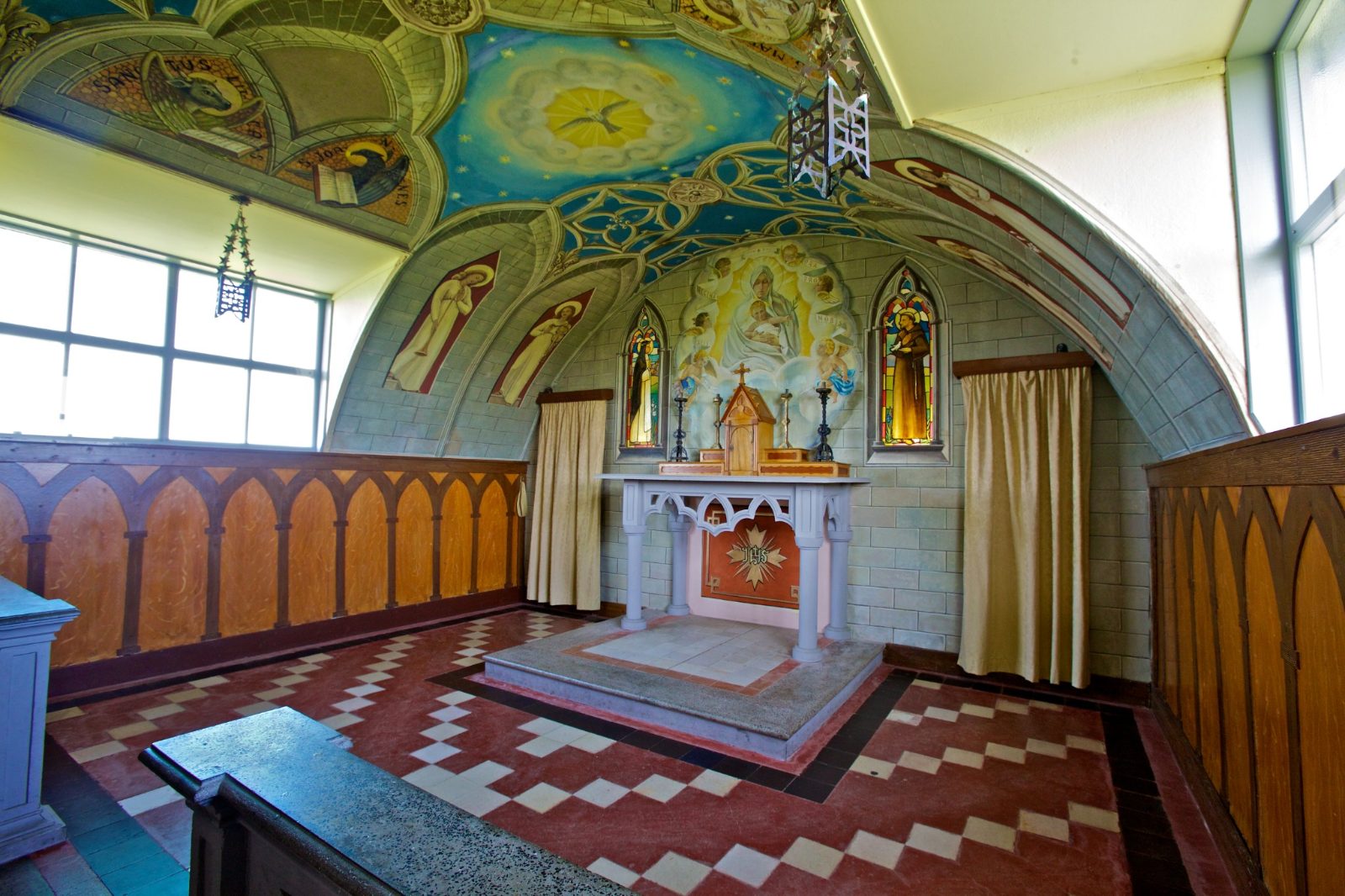
Italian Chapel
A highly decorated chapel built by prisoners of war on Lamb Holm using scrap materials.
Notice the painted interiors made from salvaged metal and concrete.
Essential Context for Orkney How Many Days Planning
The Orkney archipelago consists of approximately 70 islands, with a remarkably high concentration of Neolithic heritage distributed across its landmass. This density of historical monuments often necessitates a well-planned schedule to appreciate the scale of its ancient landscape.
The Orkney Islands comprise about 70 islands, of which 20 are permanently inhabited. This geographical spread contributes to the variety of landscapes and historical sites found across the region.
5,000 years of recorded history
Orkney is home to some of the oldest and best-preserved Neolithic sites in Europe. These structures date back to approximately 3000 BC, predating the Egyptian pyramids.
Heart of Neolithic Orkney status
This UNESCO World Heritage site includes Skara Brae, Maeshowe, the Standing Stones of Stenness, and the Ring of Brodgar. These monuments represent a significant concentration of prehistoric archaeology within a small area.
0 GBP for public access
There is no entrance fee to explore the public islands and regions of Orkney. This free access allows visitors to navigate the historical landscape at their own pace.
9:00 to 17:00 arrival window
The optimal time for visiting major heritage sites and museums is between 09:00 and 17:00. Aligning visits with this window ensures access to staffed locations and facilities.
+44 1856 872856 for inquiries
Prep Checklist for Your Orkney How Many Days Visit
A few logistics will smooth your Orkney visit, particularly if you're island-hopping or visiting remote heritage sites.
-
Book inter-island ferries early — Summer sailings to smaller islands fill quickly, especially Hoy and Rousay.
-
Check site opening dates online — Some Neolithic monuments close seasonally or require advance notice for access.
-
Pack sturdy waterproof footwear — Coastal paths and exposed archaeological sites can be muddy and uneven year-round.
-
Download offline maps — Mobile signal is patchy across the islands, particularly on minor roads and ferry routes.
-
Confirm last ferry times — Return sailings from outer islands often depart mid-afternoon, limiting same-day itineraries.
-
Bring layers and windproof clothing — Weather shifts rapidly; exposed clifftop sites offer little shelter even in summer.
Check availability
Frequently asked questions about orkney how many days
Everything you need to know about orkney how many days